Vasudev Water Solution

Water Softeners

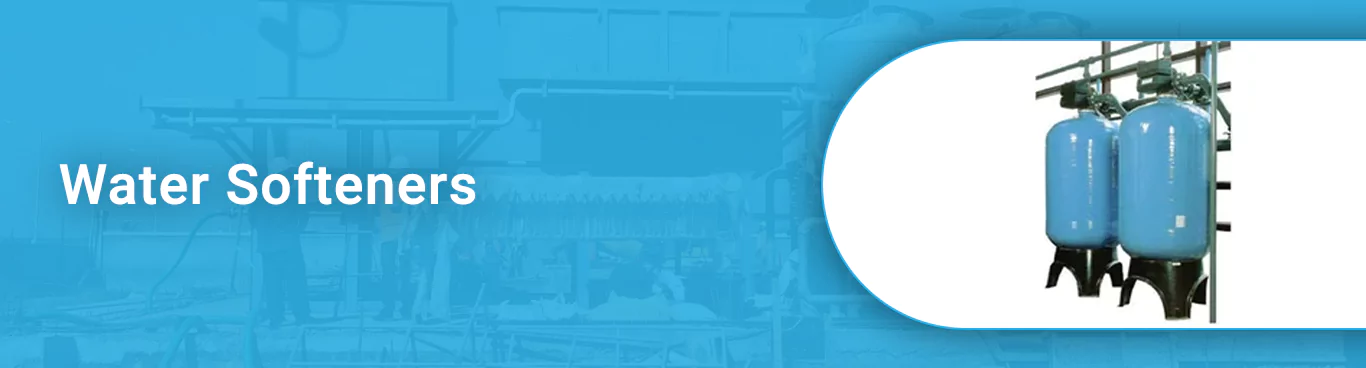
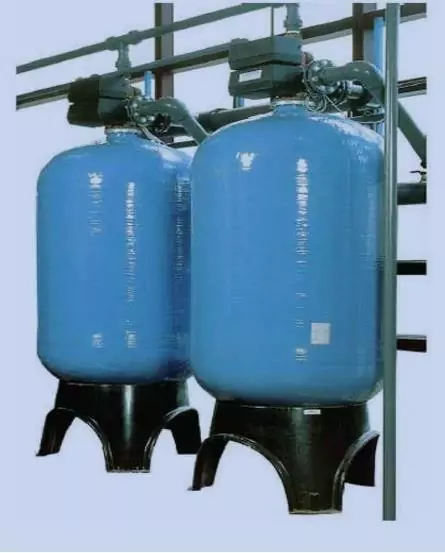
Vasudev Water Solution is a leading Manufacturer, Supplier and Exporter of Ion Exchange Water Softeners in Gujarat, India. Our water softeners use advanced synthetic polymer resin beads to remove calcium (Ca2+) and magnesium (Mg2+) hardness ions, preventing scale buildup in boilers, cooling towers, heat exchangers, and industrial process water systems. Designed with weather-resistant, leak-proof construction for reliable long-term performance.

Water Softener

Features:

  • Ion exchange technology for efficient hardness removal
  • Removes calcium and magnesium without lowering TDS
  • No water waste during normal filtration operation
  • Weather-resistant, leak-proof, robust construction
  • Extends life of boilers, heat exchangers, and downstream RO membranes

Specifications:

  • Resin Type: Strong Acid Cation (SAC) — INDION / Purolite
  • Vessel Material: FRP / MS Epoxy / SS304 / SS316
  • Capacity Range: 500 LPH to 100+ m³/hr
  • Regeneration Type: Manual / Semi-Automatic / Fully Automatic (PLC)
  • Salt Consumption: 0.15 kg NaCl per litre of resin per regeneration
  • Resin Life: 3–7 years (commercial) / 3–5 years (industrial)
  • Iron Removal: Dissolved (ferrous) iron up to 2–3 ppm

Applications:

  • Potable water treatment
  • Contact process water
  • Boiler & reactor feed and make-up water
  • Cooling tower make-up water
  • High purity water systems
  • Large laundry and restaurant facilities
  • Protection of heat transfer elements and spray nozzles
  • Pre-treatment for reverse osmosis or deionizer systems
  • Wastewater re-use
  • Groundwater remediation

Applicable Industry

Municipal Water Treatment
Industrial Water Treatment
Livestock
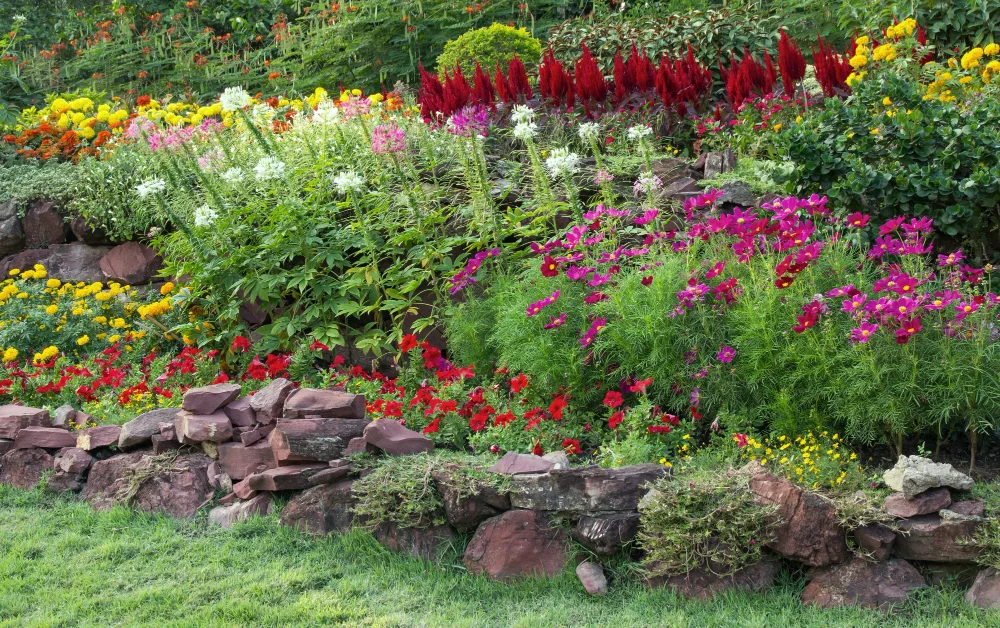
Livestock
Horticulture
Horticulture
Oil and Gas
Oil and Gas
Food and Beverage
Food and Beverage
Meat And Poultry Processing
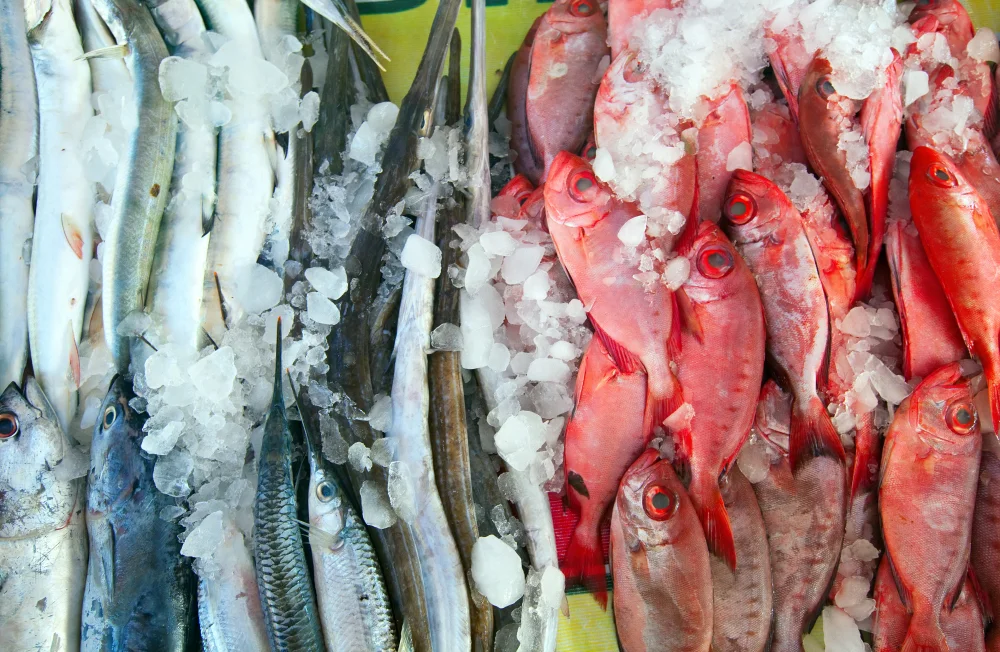
Fishing Industry
Fishing Industry
Commercial and Institutional

Recreation and Leisure
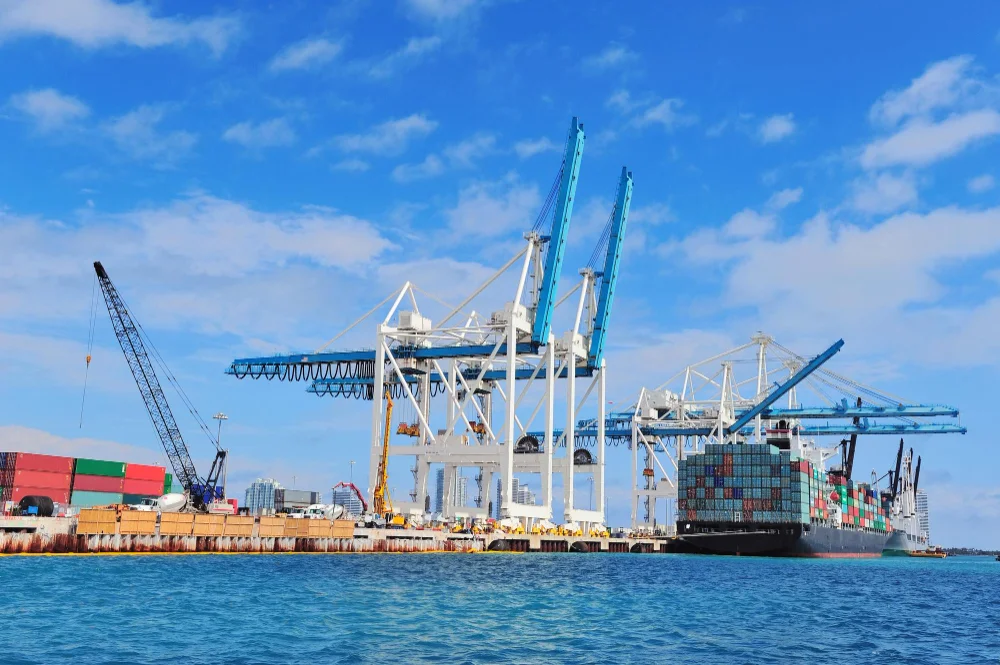
Marine
Marine
Pulp and Paper Industry
Textile Industry
Textile Industry
Desalination
Desalination

Our Next Product

Activated Carbon Filter

Activated Carbon Filter

Activated Carbon Filter we make available is designed to treat different forms of water.

READ MORE
Package Water Turnkey Project

Package Water Turnkey Project

We manufacture commercial bottling equipment for the bottled water industry, one of the fastest growing industries in the world.

READ MORE

Frequently Asked Questions

How does an Ion Exchange Water Softener work?

Ion exchange softeners pass hard water through a vessel filled with synthetic polymer resin beads loaded with sodium (Na+) or potassium ions. As hard water flows through, the resin binds positively charged calcium (Ca2+) and magnesium (Mg2+) ions while releasing harmless sodium ions into the water, preventing scale buildup.

What is the difference between an Ion Exchange Water Softener and an RO Plant?

Water Softener: Uses ion exchange resin specifically to swap hardness-causing minerals (calcium and magnesium) for sodium without lowering overall TDS. It wastes no water during normal filtration.

Reverse Osmosis (RO): Uses high-pressure membranes to reduce overall Total Dissolved Solids (TDS), heavy metals, and chemicals, generating a continuous reject/brine waste stream.

What is "Regeneration," and why is it necessary?

Resin beads eventually become saturated with calcium and magnesium, losing their softening ability. Regeneration flushes the resin bed with a concentrated salt solution (brine made from Sodium Chloride / NaCl). The high concentration of sodium forces calcium and magnesium off the resin beads and flushes them down the drain, restoring softening capacity.

What are the 4 main steps in a Softener Regeneration cycle?
  • Backwash: Upward water flow expands and cleans the resin bed, washing away trapped sediments.
  • Brine Draw / Injection: Concentrated salt water passes through the resin bed to recharge it with sodium ions.
  • Slow Rinse (Displacement): Pushes remaining brine slowly through the bed to maximize ion exchange.
  • Fast Rinse: Flushes residual salt out of the vessel so the unit returns to delivering soft water.
How often does cation resin need to be replaced?

High-grade Cation Resin (such as INDION or Purolite) lasts 3 to 7 years in commercial/residential settings and 3 to 5 years in demanding industrial environments, provided feed water is pre-filtered for high chlorine, iron, and heavy turbidity.

What type of salt should be used in a Water Softener brine tank?

High-purity Softener Salt Tablets or Coarse Evaporated Solar Salt (99% pure NaCl). Avoid rock salt (contains insoluble dirt), fine table salt, or iodized salt, which can clog injectors and brine lines.

Why is my Water Softener passing hard water?
  • Salt Bridge in Brine Tank: Salt hardens into a hollow crust above the water, preventing brine creation.
  • Exhausted Resin: The resin requires manual regeneration or has exceeded its operational lifespan.
  • Chlorine Degradation: High feed-water chlorine has broken down the resin structure over time.
  • Clogged Injector: The brine suction nozzle or line is blocked by sediment or salt buildup.
Can an Ion Exchange Softener remove Iron from raw water?

Softeners can remove low concentrations of dissolved (ferrous) iron (under 2-3 ppm). However, insoluble (ferric/rusty) iron permanently fouls resin beds. Feed water with high iron levels requires pre-filtration, such as a Manganese Greensand or Pressure Sand Filter.

Water Softener Sizing & Calculation

To size an Ion Exchange Water Softener, calculate the Daily Hardness Load, Resin Volume Required, Salt Required per Regeneration, and Output Before Regeneration (OBR).

1. Calculation Step Verification

Daily Hardness Load:

Hardness Load (g/day) = Flow (L/day) x Hardness (mg/L) / 1000
= 10,000 L x 300 mg/L (ppm) / 1000 = 3,000 grams as CaCO₃

Resin Volume Required:

Resin Volume (L) = Hardness Load (g) / Resin Exchange Capacity (g/L)
= 3,000 g / 55 g/L = 54.55 Liters of Cation Resin

2. Practical Vessel Sizing & Salt Consumption

Commercial Vessel Selection: Since resin bags are typically sold in 25-liter bags, you would round up to 60 Liters or 75 Liters (3 bags) of strong acid cation (SAC) resin and select a 12" x 52" FRP Vessel.

Salt Required per Regeneration:

Salt Required (kg) = Resin Volume (L) x Salt Dose (kg/L resin)
= 54.55 L x 0.15 kg/L = 8.18 kg of NaCl

3. Output Before Regeneration (OBR) Verification

Using your formula to verify the water output for 54.55 Liters of resin:

OBR (L) = Resin Volume (L) x Resin Capacity (g/L) / Feed Hardness (mg/L) x 1000
= 54.55 L x 55 g/L / 300 ppm x 1000 = 10,000 Liters (10 m³)

This confirms the system will soften 10,000 Liters of water at 300 ppm hardness before requiring a salt regeneration cycle.

Hit enter to search or ESC to close